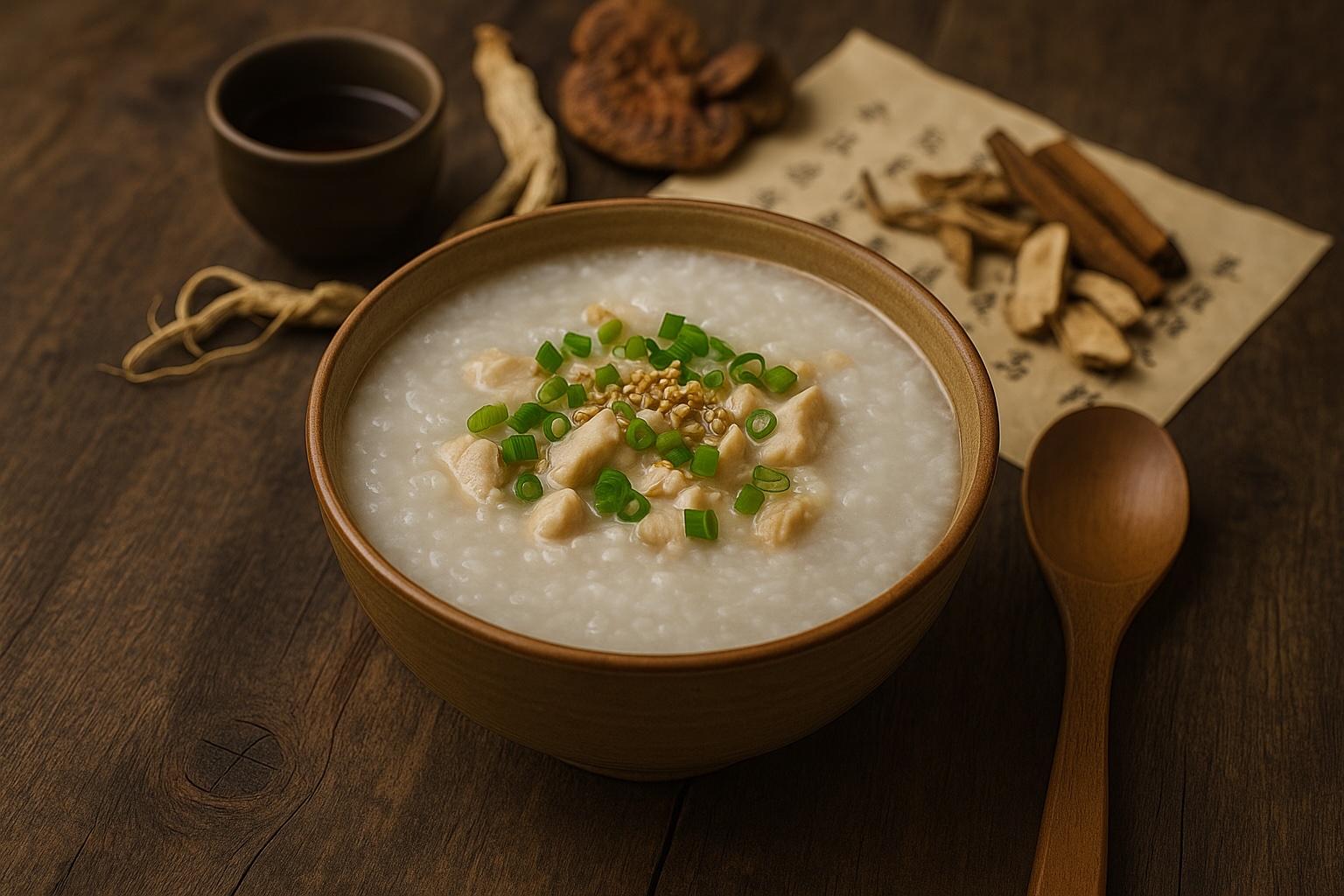
Nourishing the Spleen and Stomach with Traditional Chinese Congee
In Traditional Chinese Medicine (TCM), food is more than fuel. It is medicine for the body and soul. Among the most comforting and therapeutic dishes in the TCM kitchen is zhou, or congee, a slow-cooked rice porridge that has been a dietary staple in China for centuries. Its simplicity hides its profound healing potential. For those with Spleen and Stomach deficiencies, congee offers a gentle yet effective way to restore digestive strength, support Qi production, and bring warmth to the center of the body.
The Spleen and Stomach in TCM
In TCM, the Spleen and Stomach are considered the central axis of digestion and energy transformation. The Stomach receives food and drink, while the Spleen transforms it into Qi and Blood to nourish the entire body. When this system is weak, often from overthinking, stress, irregular eating, or overconsumption of cold and raw foods, symptoms such as fatigue, poor appetite, bloating, loose stools, and a pale tongue can appear. Warming, easily digestible foods are recommended to replenish these organs and restore balance.
Why Congee Works
Congee supports the Spleen and Stomach in several ways:
- Easy to digest: The slow cooking process breaks down the grains, making them gentle on a weakened digestive system.
- Warming and comforting: Served hot, congee helps counteract cold in the body and supports Spleen Yang.
- Customizable: Herbs, spices, and proteins can be added to target specific health needs.
- Hydrating: Its high water content supports the body’s fluids while being soothing to the gut.
TCM-Inspired Spleen and Stomach Congee Recipe
This recipe is designed for gentle nourishment. It uses warming, neutral, and slightly sweet ingredients that support the Spleen without burdening digestion.
Ingredients (Serves 4)
- 1 cup white rice (short grain preferred)
- 8 cups water or homemade chicken broth
- 100 g organic chicken breast, finely diced (optional for added protein)
- 3 slices fresh ginger
- 2 to 3 dried Chinese red dates (hong zao), pitted
- 1 small piece dried astragalus root (huang qi) for Qi support (optional)
- 2 spring onions, finely chopped (for garnish)
- Sea salt to taste
- Sesame oil for drizzling
Instructions
- Rinse the rice under cool water until the water runs clear. This removes excess starch and prevents sticking.
- In a large pot, combine rice, water or broth, ginger slices, red dates, and astragalus root if using.
- Bring to a boil over medium heat, then reduce to low and simmer gently for 1.5 to 2 hours, stirring occasionally to prevent sticking. Add more water if needed to maintain a smooth, soupy consistency.
- About 15 minutes before serving, stir in the diced chicken. Cook until the chicken is fully cooked and tender.
- Remove the ginger slices, dates, and astragalus before serving.
- Ladle the congee into bowls, sprinkle with spring onions, and drizzle lightly with sesame oil.
How to Adjust the Recipe for Your Needs
TCM recognizes that every person’s constitution is different. You can tailor this congee to suit your body’s needs:
- For Qi deficiency: Add sweet potato or pumpkin for extra nourishment.
- For Yang deficiency: Include warming spices such as cinnamon stick or a pinch of nutmeg.
- For Yin deficiency: Use a mix of rice and millet to provide gentle moisture to the body.
- For Blood deficiency: Add goji berries in the last 10 minutes of cooking.
Best Times to Eat Congee
Congee is traditionally eaten in the morning to warm and awaken the digestive system, but it can be enjoyed at any meal when you need something light, warming, and restorative. In cases of illness or recovery, congee can be eaten multiple times a day until strength returns.
TCM Perspective on Healing with Food
In TCM, the way we prepare and consume food matters as much as the ingredients themselves. Eating congee mindfully in a calm setting allows the Spleen and Stomach to work optimally. Over time, regularly including Spleen supportive meals can help restore digestive strength, improve energy levels, and bring more stability to mood and concentration.
Final Thoughts
Congee is more than a simple bowl of rice porridge. It is an ancient comfort food that bridges nourishment and healing. By understanding its place in TCM, we can use it intentionally to strengthen the Spleen and Stomach, support overall vitality, and create a moment of warmth in our daily lives.
Stay warm, stay nourished, and let your Spleen thank you later.
Jake

Leave a Reply